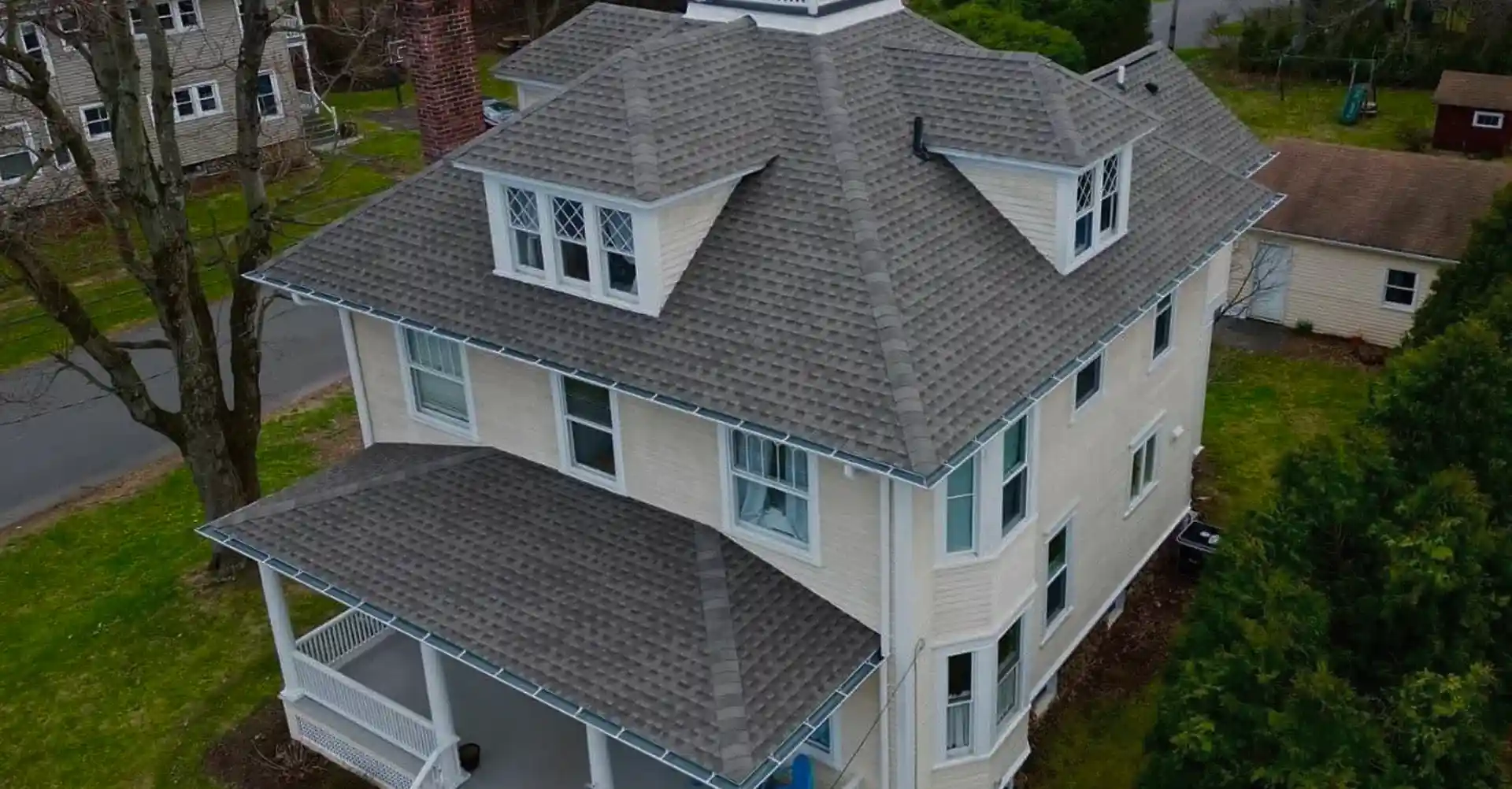
Learn How to Discover Signs of Roof Damage After a Storm
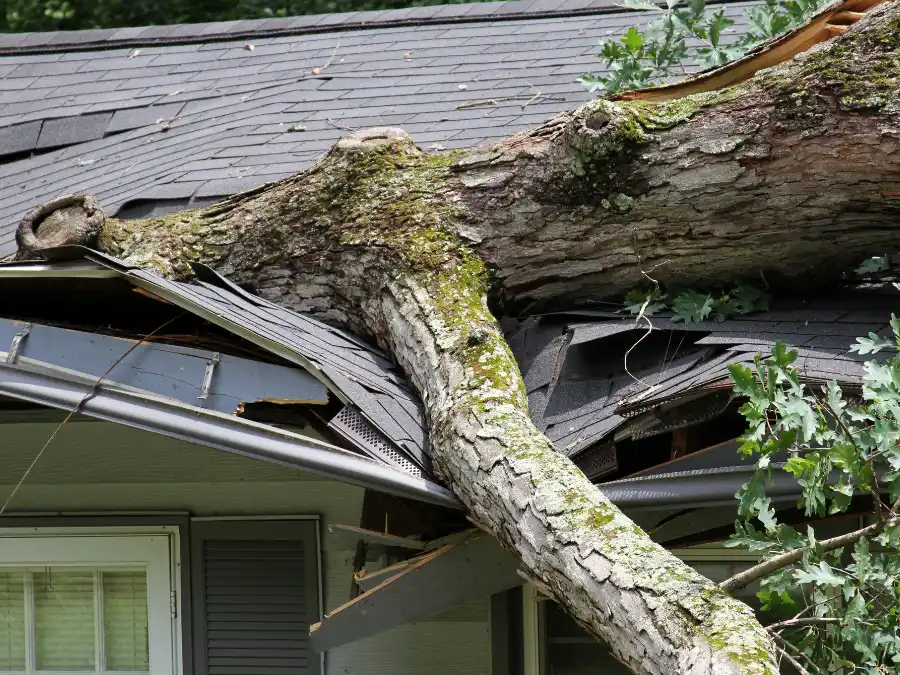
Homeowners can identify roof storm damage by looking for missing or lifted shingles, granules in the gutters, new water stains inside, and debris or branches resting on the roof immediately after the weather passes.
Knowing how to check for these early signs of storm damage to your roof helps protect your home and address problems before they cause structural or interior issues. The residential roofing experts from Seci Construction Inc. are breaking down the clearest indicators to look for after wind, rain, hail, or snow—and when it’s time to call for a professional roofing service.
Benefits of Immediately Identifying a Storm Damaged Roof
When homeowners detect storm damage early, they can stop small issues from becoming costly repairs. Catching problems quickly not only protects the structure of your roof—it safeguards the interior of your home, prevents hidden moisture buildup, and preserves long-term value.
The biggest advantages of detecting damage to your roof immediately after a storm are:
- Prevents Internal Water Damage: Addressing lifted shingles, flashing issues, or membrane punctures early keeps water from traveling into ceilings, walls, and insulation, which reduces the risk of mold and drywall repair.
- Reduces Repair Costs Over Time: Fixing minor damage is far more affordable than repairing widespread leaks or replacing large roof areas caused by delayed attention.
- Extends the Lifespan of Your Roof: Routine roof inspections and timely roof repairs minimize wear and aging, helping roofing materials last longer under future weather conditions.
- Maintains Home Energy Efficiency: A compromised roof allows air movement that disrupts heating and cooling consistency, leading to higher monthly energy costs.
- Protects Structural Integrity: Hidden water can rot framing, weaken decking, and damage fascia, making early detection crucial to preventing long-term structural decline
- Helps With Faster Insurance Claims: Documenting storm damage immediately makes it easier to file a storm damage claim and increases the likelihood of receiving complete coverage for repairs.
- Improves Safety After Severe Weather: Storms can loosen shingles, dislodge flashing, or weaken roofing components, and addressing these concerns early prevents dangerous collapse or leak escalation.
Look for Shingle Damage and Surface-Level Problems
Even a mild storm can loosen, lift, or crack shingles. The sooner these issues are identified, the easier—and more affordable—they are to repair.

Missing Shingles
High winds can tear asphalt shingles off the roof entirely, leaving the underlayment exposed. Unprotected areas quickly deteriorate in direct sunlight and moisture, increasing the risk of leaks. Missing shingles often show up as lighter-colored patches where granules haven’t darkened yet.
Lifted or Curling Shingles
Strong winds may not remove shingles but can loosen the adhesive strip underneath them. When shingles lift, water can seep into the layers below. Curling shingles also indicate weather fatigue or wind damage and should be inspected promptly.
Cracked or Broken Shingles
Hail, wind-driven debris, or falling branches can crack shingles across the surface. Even small cracks compromise weather resistance, allowing wind and moisture to penetrate the roof system. These weak points often worsen with temperature fluctuations.
Excessive Granule Loss
Granule loss may appear as bare spots on shingles or as a heavy granule buildup in gutters. While some shedding is normal, large amounts signal storm-related erosion. Granules protect shingles from UV damage, so losing too many accelerates aging and increases vulnerability.
Evaluate Flashing and Roof Penetration Points
Flashing and penetrations—chimneys, skylights, and vents—are some of the most common sources of storm-related leaks.
Loose or Damaged Flashing
Flashing around chimneys, skylights, and dormers can bend or separate in high winds. Once flashing pulls away from the surface, it leaves gaps that water can easily penetrate.
Cracked Chimney Crowns or Caps
Storms can damage the mortar around chimneys, allowing water to seep in. Cracked crowns, loose bricks, or deteriorating mortar joints are common issues following strong weather.
Damaged Vent Pipes or Boots
Rubber vent boots can crack in extreme weather or be displaced by wind. When they fail, water enters around the pipe opening and flows into the attic.
Check for Signs of Roof Leaks Inside the Home
Even when the roof surface looks intact, interior signs can reveal early moisture entry, which, if untreated, can lead to the need for extensive roof repairs or even a full roof replacement.
Water Stains on Ceilings or Walls
Brown or yellow stains are a tell-tale sign of a roof leak that just began. These stains may appear days or weeks after a storm, especially if moisture collects in attic spaces first.
Damp or Musty Odors
Hidden moisture behind drywall or insulation produces musty odors, a common early warning sign of water intrusion. If the smell is strongest after rain, the issue may be storm related.
Peeling Paint or Bubbling Drywall
Storm damage can push moisture into walls and ceilings, causing paint to bubble or peel. Bubbling plaster or drywall should be addressed immediately to prevent mold growth.
Examine the Attic for Subtle Storm Damage
Examining your attic for subtle signs of storm damage often reveals issues even when the roof exterior looks fine.
Wet insulation that feels damp, heavy, or clumped together usually indicates a roof or ventilation problem from the storm and also reduces energy efficiency. If you see small streams of sunlight passing through the roof deck, shingles or flashing may have been damaged or displaced, creating openings that let water in and need immediate repair.
You should also look for mold or mildew growth—dark patches on wood framing, insulation, or attic surfaces can appear within days of moisture intrusion and signal a leak that requires prompt attention.
Inspect Gutters and Downspouts for Damage
After a storm, inspect your gutters, downspouts, and roof edges, because your drainage system is critical to protecting the roof structure.
Wind and heavy rain can bend or detach gutters from the fascia, causing sagging and water pooling that leads to rot, leaks, and siding damage. Also, storm debris may clog downspouts, forcing water back toward the roof edge or foundation, so early cleaning helps prevent long-term moisture problems.
Look for Impact Damage from Trees, Hail, or Debris
Storm debris is a major cause of structural roof damage, and even small impacts can weaken the system underneath.
Fallen branches or tree limbs may puncture shingles, dent metal roofing, or damage ridge caps, and heavy limbs can create hidden fractures in the roof deck. Hail often leaves circular dents, bruises, or dark spots in shingles that gradually weaken the material, making your roof more vulnerable over time. Branches, leaves, and other debris that sit on the roof trap moisture and add weight, which can lead to mold growth, water pooling, and shingle damage—especially on low-slope sections.
Pay Special Attention to Flat and Low-Slope Roofs
Low slope and flat roofing systems can especially become prone to water-related storm damage, so they deserve extra attention after heavy weather. Standing water that lingers in low spots is a sign of drainage issues or structural sagging and can shorten the roof’s lifespan if it isn’t corrected.
Search for Outdoor Clues Around the Property
After a storm, search for outdoor clues around your property, because the first signs of roof storm damage often show up on the ground.
Shingles or shingle fragments in the yard usually indicate wind-related damage and exposed areas on the roof that need prompt repair. Nails, small metal pieces, or sections of flashing around the home point to weakened roof components, especially along edges and penetrations. If you also notice damaged fencing or siding, it’s a good sign your roof experienced similar stress—even if it looks intact from the ground—so a professional roof inspection is recommended.
Protect Your Home by Contacting Our Storm Damage Roofing Experts
Storms in the Northeast can be unpredictable and severe, making your roof one of the most important lines of defense for your home. If you’ve noticed any signs of roof storm damage—or simply want peace of mind after heavy weather—our experienced team is here to help.
Seci Construction Inc. provides thorough roof inspections, expert repairs, emergency services, and long-term solutions throughout New Jersey, New York, Connecticut, and Pennsylvania.
Contact us today by calling 866-572-7324 or filling out our online contact form to get a FREE estimate on quality roofing solutions.