Discover How to Prevent Roof Leaks for Your Home
Sometimes even a small drip of leaking water can quickly turn into major structural damage when it comes to your roofing system. The best roof leak prevention strategy is a combination of proper maintenance, routine roof inspections, and knowing which early warning signs to watch for—before water makes its way inside.
At Seci Construction, Inc., our expert residential roofing contractors help homeowners safeguard their homes by focusing on proactive care, durable materials, and long-term roofing solutions. Join us as we explore the most effective steps to protect your home from roof leaks and extend the lifespan of your roofing system.
#1: Schedule Routine Roof Inspections

Homeowners looking for how to prevent roof leaks should begin with consistent roof inspections. Whether completed seasonally or annually, roof inspections help you catch small issues while they’re still easy to repair.
Roofing systems face year-round exposure to heat, wind, rain, and snow. Over time, these elements loosen shingles, wear down seals, and stress flashings. Inspections allow you to identify missing granules, curled shingles, soft spots, or early water intrusion so repairs can happen quickly.
During a roof inspection, an experienced roofer can identify subtle issues that homeowners may overlook, including:
- Loose or Missing Shingles: These leave the underlayment exposed and make your roof vulnerable to water penetration.
- Cracked or Damaged Flashing: Flashing protects your roof’s most sensitive areas, and even small cracks allow water to seep inside.
- Signs of Moisture in the Attic: Wet insulation, discoloration, or musty odors often reveal leaks that haven’t yet reached your ceilings.
- Weak Spots on the Roof Deck: Soft or spongy areas indicate underlying wood rot or trapped moisture that requires immediate attention.
#2: Maintain Flashing and Sealant Areas
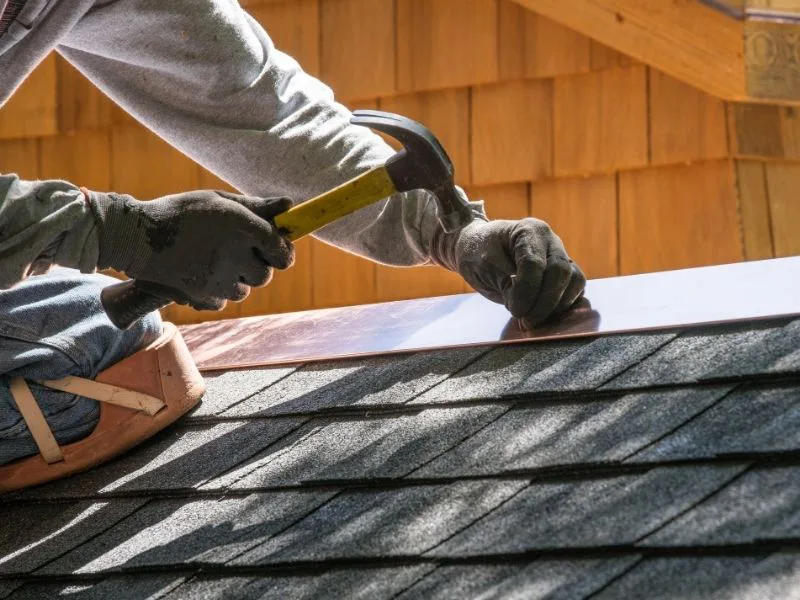
Flashing is one of the most common sources of roof leaks. Because it protects joints and penetrations—chimneys, skylights, vents, walls—these areas need routine evaluation and resealing. Flashing typically fails due to aging sealant, improper installation, corrosion, or storm damage. When flashing lifts or cracks, water runs directly beneath the shingles and into your home. High-quality roofing sealants can be reapplied around metal flashing, skylight frames, chimney bases, and vent stacks to maintain a watertight performance.
#3: Keep Gutters Clean and Functioning
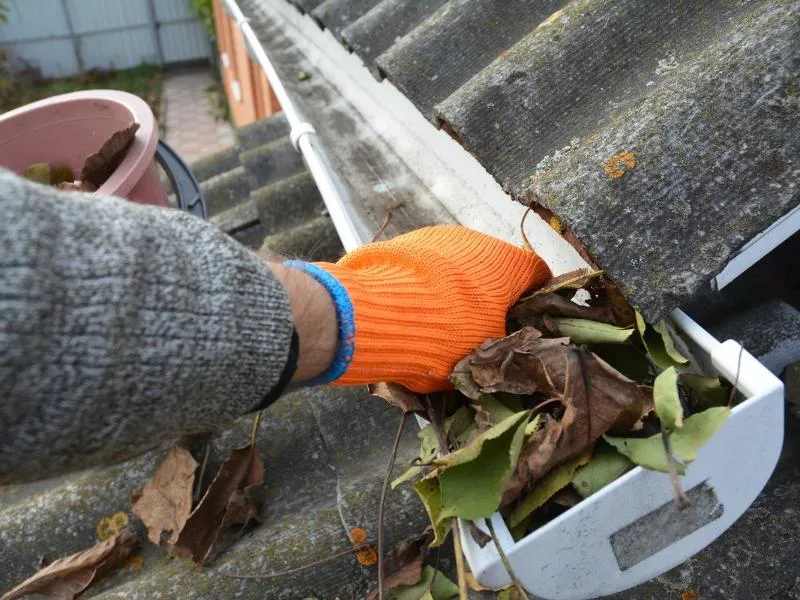
Clogged gutters are one of the leading causes of roof leaks. When water can’t escape through the downspouts, it backs up under the shingles or spills over onto siding and fascia boards. Gutters move water off your roof quickly—when leaves, pine needles, or debris clog the channels, water becomes trapped and begins soaking into the roof edge, leading to rot and shingle damage.
Look for peeling paint near your fascia, damp spots in the attic close to exterior walls, or visible water pooling near your foundation—all signs you need to clean your gutters.
#4: Replace Damaged or Aging Shingles
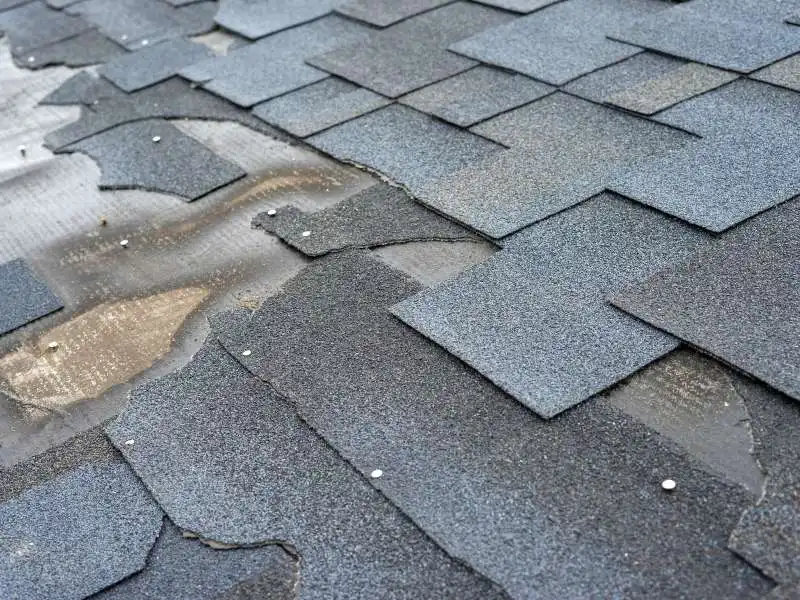
A strong layer of shingles is essential for keeping water out. When asphalt shingles age, crack, warp, or lose granules, they can no longer protect your roof deck. Sun exposure dries out the asphalt, wind lifts corners, and hail bruises or punctures surfaces. Eventually, the shingle’s waterproof layer becomes compromised.
If you notice curling edges, missing tabs, bald spots, or widespread granule loss, it’s time to schedule a professional inspection. Even isolated damage can lead to leaks if not addressed promptly.
#5: Improve Attic Ventilation and Insulation
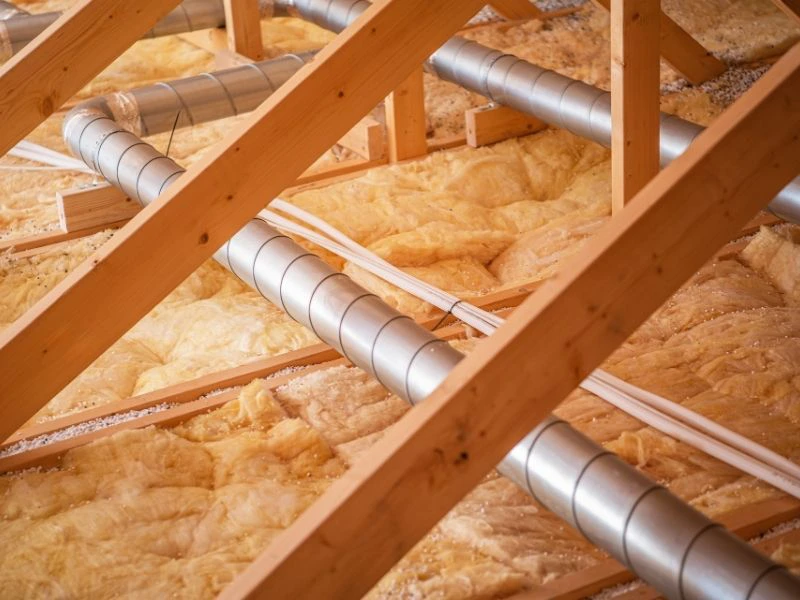
Proper attic ventilation and insulation help regulate temperature and prevent moisture buildup—two critical factors in reducing the risk of a leaking roof. If heat and moisture build up in the attic, condensation forms on the roof deck. Over time, this weakens the wood, causes mold growth, and increases the likelihood of flashing failure or shingle deterioration.
Good insulation prevents warm indoor air from reaching the attic. This reduces condensation and keeps the roofing system stable during winter and summer temperature swings.
#6: Trim Trees and Remove Overhanging Branches

Overhanging tree branches and limbs can drop debris that clogs gutters, scratches shingles, and promotes moisture retention—leading to immediate leaks. During heavy storms, these branches may break and even puncture the roof.
Homeowners should keep branches trimmed at least several feet away from the roof. Routine trimming reduces physical damage and prevents animals from using branches as pathways onto the roof, where they may cause gnawing damage to shingles or vents.
#7: Address Small Repairs Immediately
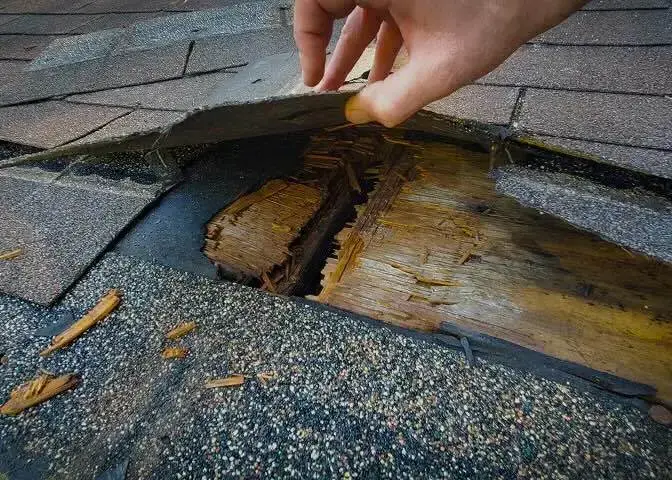
Even minor issues—like a single lifted shingle or a small tear in flashing—can escalate quickly when it comes to leaking roofs. This is because water always finds the weakest point in a roofing system. A small gap today can allow moisture to collect beneath shingles, saturating underlayment and decking.
Professional roofers understand how to identify the source of problems and seal them correctly through targeted roof repairs. DIY repairs often fail because surface symptoms are treated without addressing underlying structural concerns.
#8: Know When to Call a Professional Roofing Company
Knowing how to prevent roof leaks is valuable, but professional evaluation offers peace of mind and long-term protection. Identifying roofing system problems early is a key part of learning how to prevent roof leaks. This makes it vital to contact experts when you notice any of the these warning signs of a leaking roof:
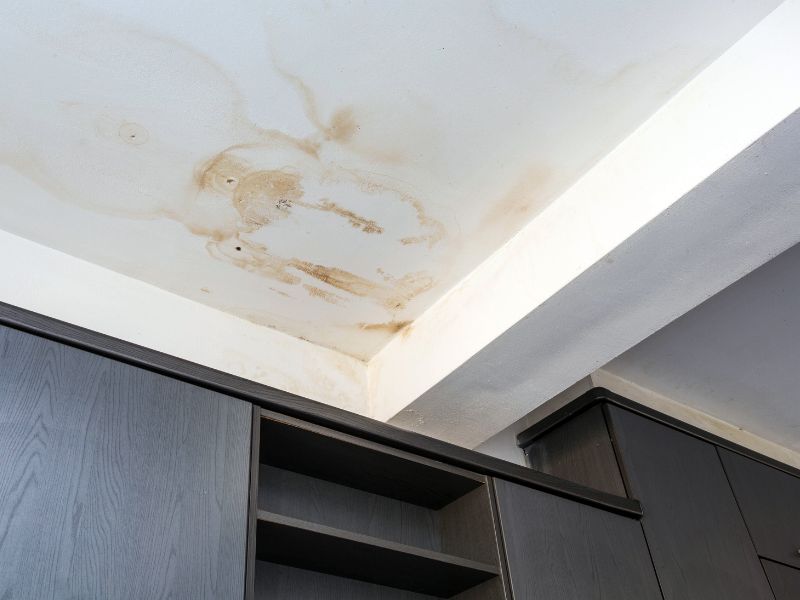
- Water Stains on Ceilings: Yellow or brown spots indicate moisture intrusion.
- Mold or Musty Odors in the Attic: Moisture buildup typically points to ventilation issues or leaks.
- Peeling Interior Paint: Moisture from above can warp walls and ceilings.
- Dripping During Heavy Rain: Even small drips require immediate attention.
- Granule Loss in Gutters: Excessive shingle granules washed into gutters suggest aging shingles and reduced waterproof protection.
- Warped or Buckled Shingles: Shingles that curl, lift, or appear distorted may allow water to slip beneath the roofing surface.
- Sagging Areas on the Roof Deck: A noticeable dip or uneven surface can indicate trapped moisture or wood rot beneath the shingles.
- Rust or Corrosion Around Flashing: Discolored or rusty metal near chimneys, vents, or skylights suggests seal failure and potential leaks.
- Wet Insulation in the Attic: Damp or flattened insulation holds moisture, signaling water intrusion above the attic layer.
- Sunlight Visible From Inside the Attic: If daylight shines through the roof boards, even pinholes can allow water to enter during storms.
- Ice Dams in Winter: Buildup of ice near roof edges often means improper ventilation or insulation, leading to moisture seepage.
At Seci Construction Inc., our experienced roofing team identifies vulnerabilities, completes thorough roof repairs, and installs durable roofing systems built to withstand the diverse Northeastern climate.
Prevent Roof Leaks—Schedule a Professional Roof Inspection Today with Seci Construction, Inc
A leak-free roof starts with proactive care and expert attention. Seci Construction, Inc. evaluates every layer of your roofing system—from shingles and flashing to gutters, ventilation, and attic moisture—to catch issues before they turn into expensive repairs.
Contact our team today to schedule a detailed roof inspection or to receive a FREE estimate on roof repairs or full roof replacement services in New Jersey, New York, Connecticut, and Pennsylvania by calling 866-572-7324 or filling out our contact form to get started.